
Barking
Why Do Dogs Bark?
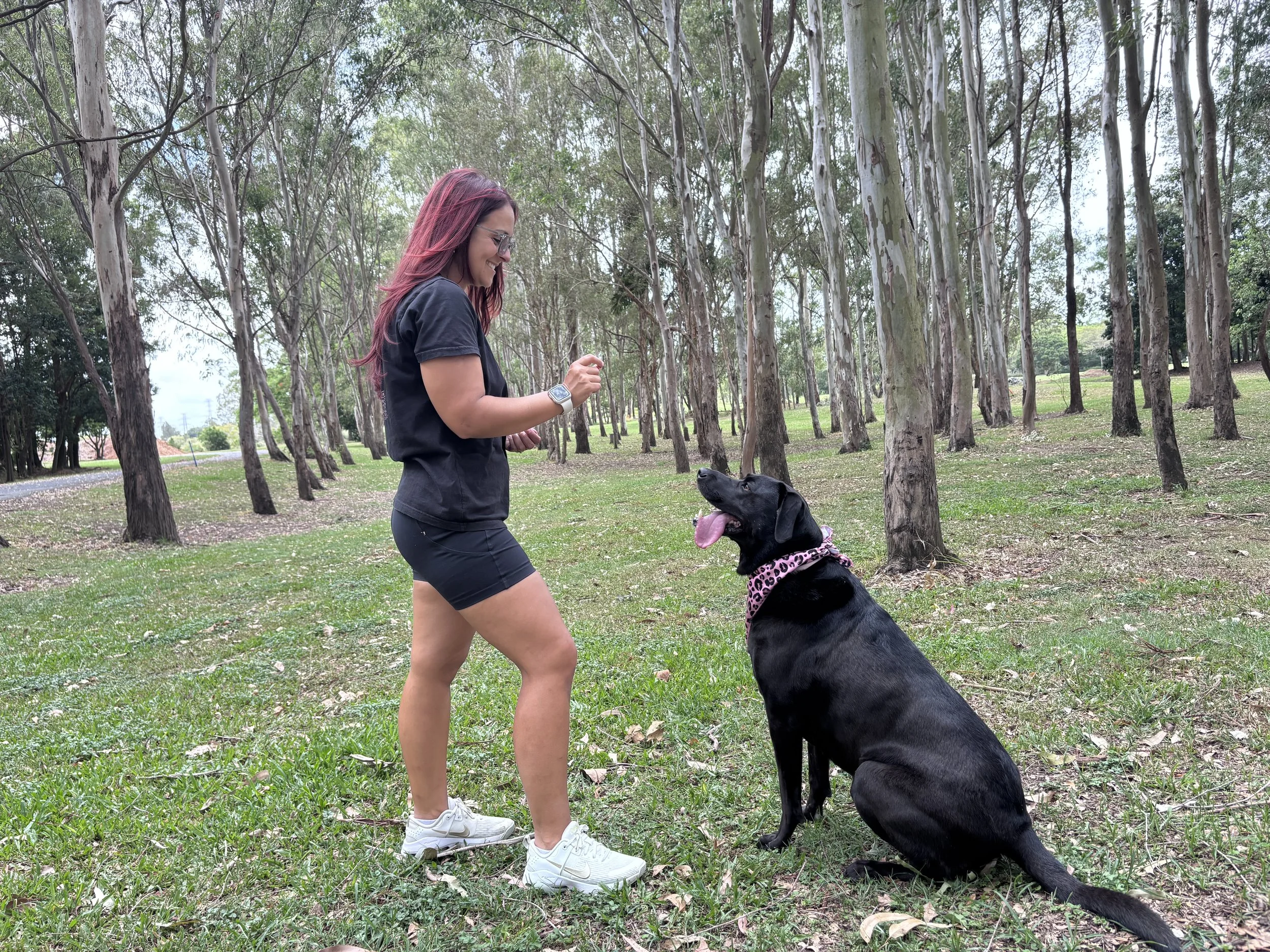
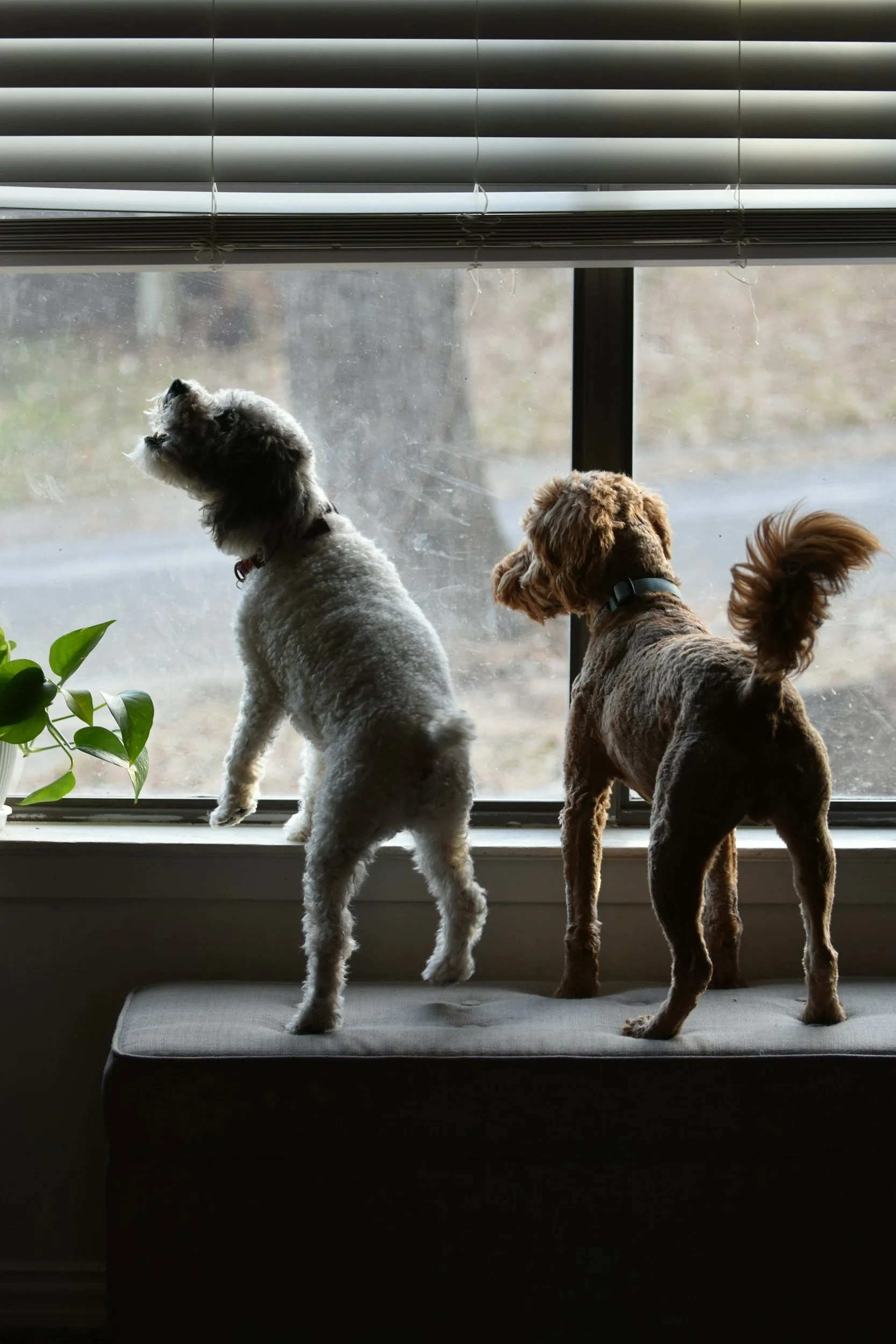
Dogs bark because it’s one of their main ways to communicate. Sometimes they’re excited, sometimes they’re worried, and sometimes they just want our attention. Barking can also happen when a dog feels unsure about something in the environment, like noises outside or people walking past the house.
The good news is that barking isn’t “naughty”—it’s information. When we understand why the barking is happening, we can teach a more suitable behaviour instead. With the right guidance, fun training games, and positive reinforcement, we can help your dog feel calmer and choose quieter ways to communicate.
Pulling on leash
Why Do Dogs Pull on the Leash?
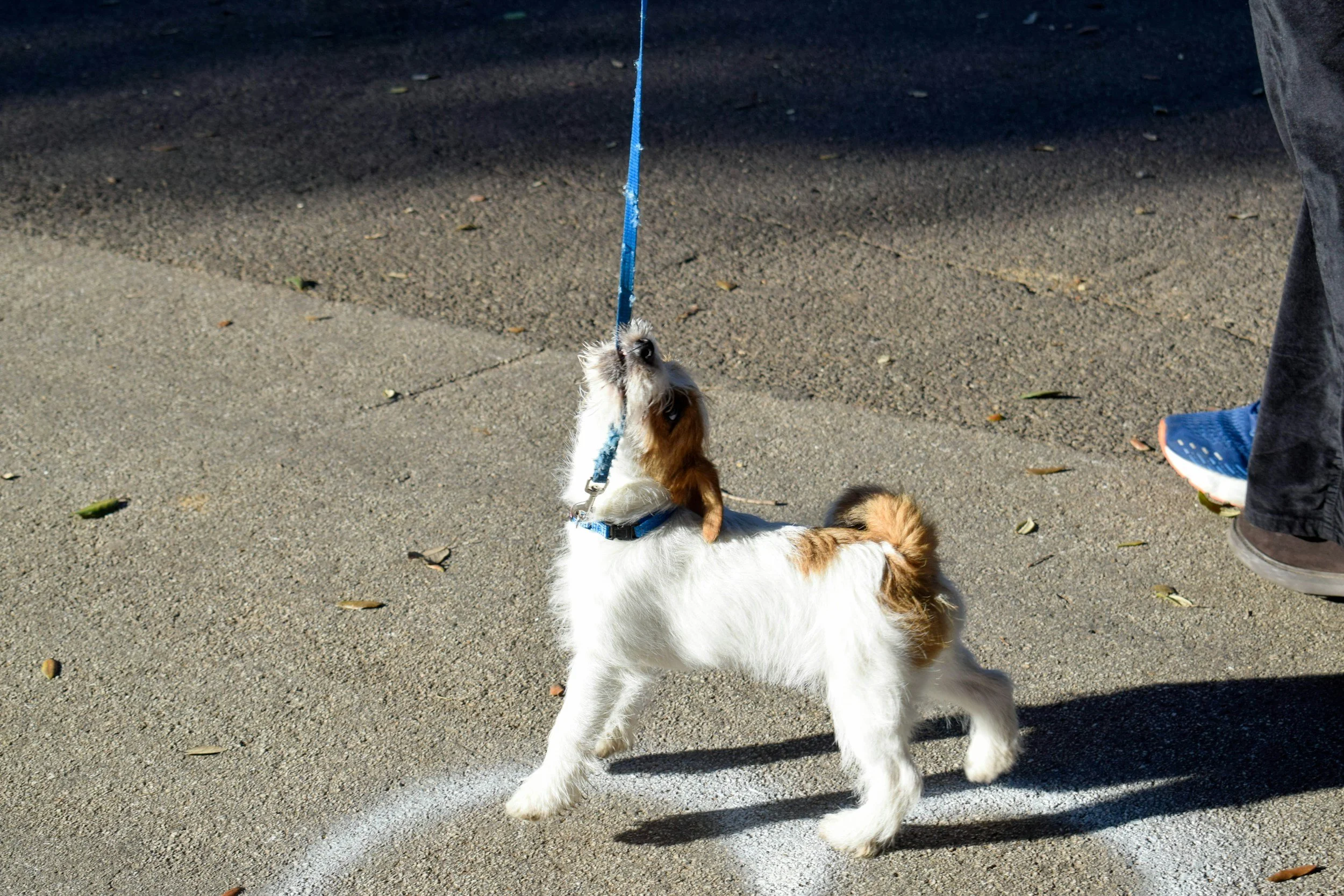
Dogs often pull simply because it’s worked for them in the past, they’ve learned that when the leash goes tight, they still get to the things they want. Add in all the distractions outside (smells, people, dogs, birds, noises), and it’s easy to see why they get so excited and forget we’re even on the other end of the lead.
Some dogs also pull towards things or away from things when they feel unsure or scared. They could be walking side to side, overwhelmed with all the smells and distractions.
The key is helping your dog switch their focus back to you. When we become more exciting, rewarding, and fun to follow than the environment, it makes it much easier for the dog to disengage from distractions. With the right training games and clear communication, we can teach them a calmer, more enjoyable way to walk beside us.
Recall
Why Is Recall Hard for Some Dogs?
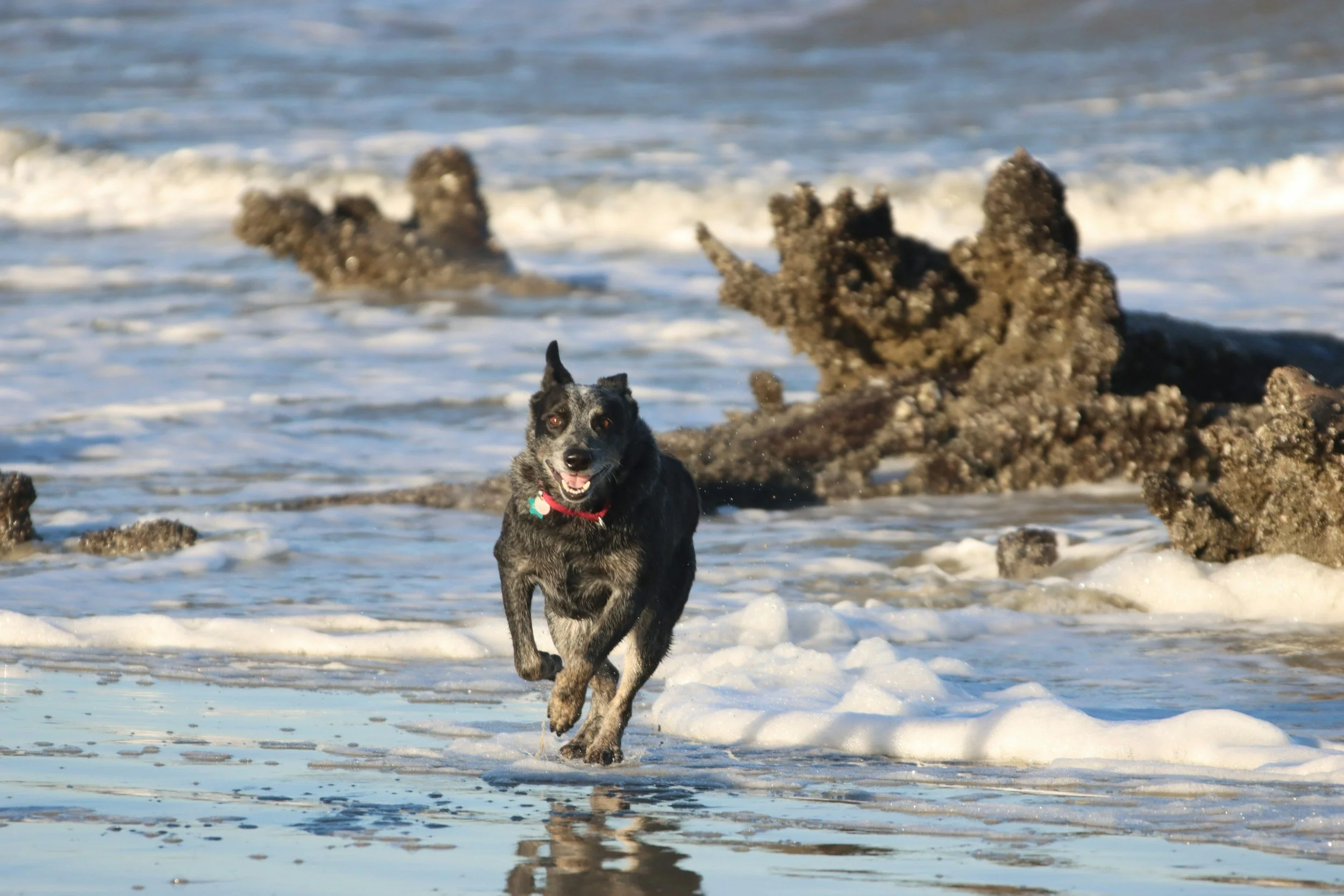
A strong recall isn’t just about “obedience” — it’s about your dog seeing real value in coming back to you. If the environment is more exciting than the owner, it makes sense that the dog will choose the smells, birds, other dogs, or the fun of running around.
To build a reliable recall, we want the dog to feel that being close to us is a great thing. Proximity should feel safe, fun, and rewarding. That means helping them learn how to disengage from distractions and choose you instead.
Owners play a huge role in this. When you become exciting, rewarding, and worth paying attention to, your dog naturally wants to return. Playing games together, building a strong relationship, and making “coming back” something your dog genuinely enjoys is what turns recall into a habit they want to repeat — not something they “have to” do.
Separation Anxiety
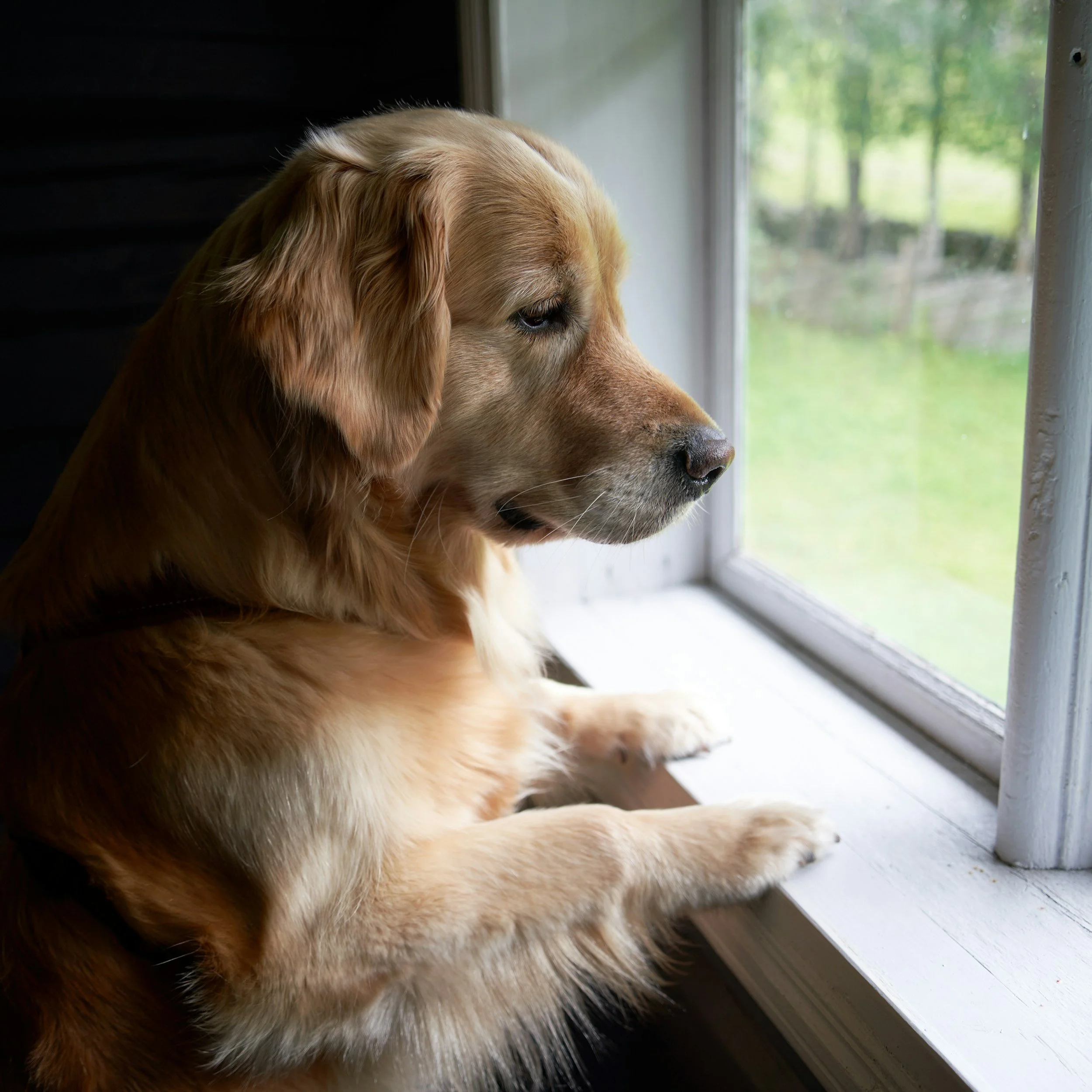
Why Do Dogs Struggle With Separation Anxiety?
Separation anxiety often happens because a dog finds it really hard to disengage from their owner. They rely on us for safety and comfort, and when we leave, they don’t yet have the confidence or independence to cope on their own.
Routines play a big role in this. Dogs are smart and start to predict when we’re leaving — the jingling of keys, putting on shoes, or certain morning habits — and their worries can build even before we’re gone.
It’s not about the dog being “dramatic” or “spoiled.” With careful training, helping them feel secure, and building independence step by step, we can teach them that being alone is safe, calm, and temporary.
Reactivity
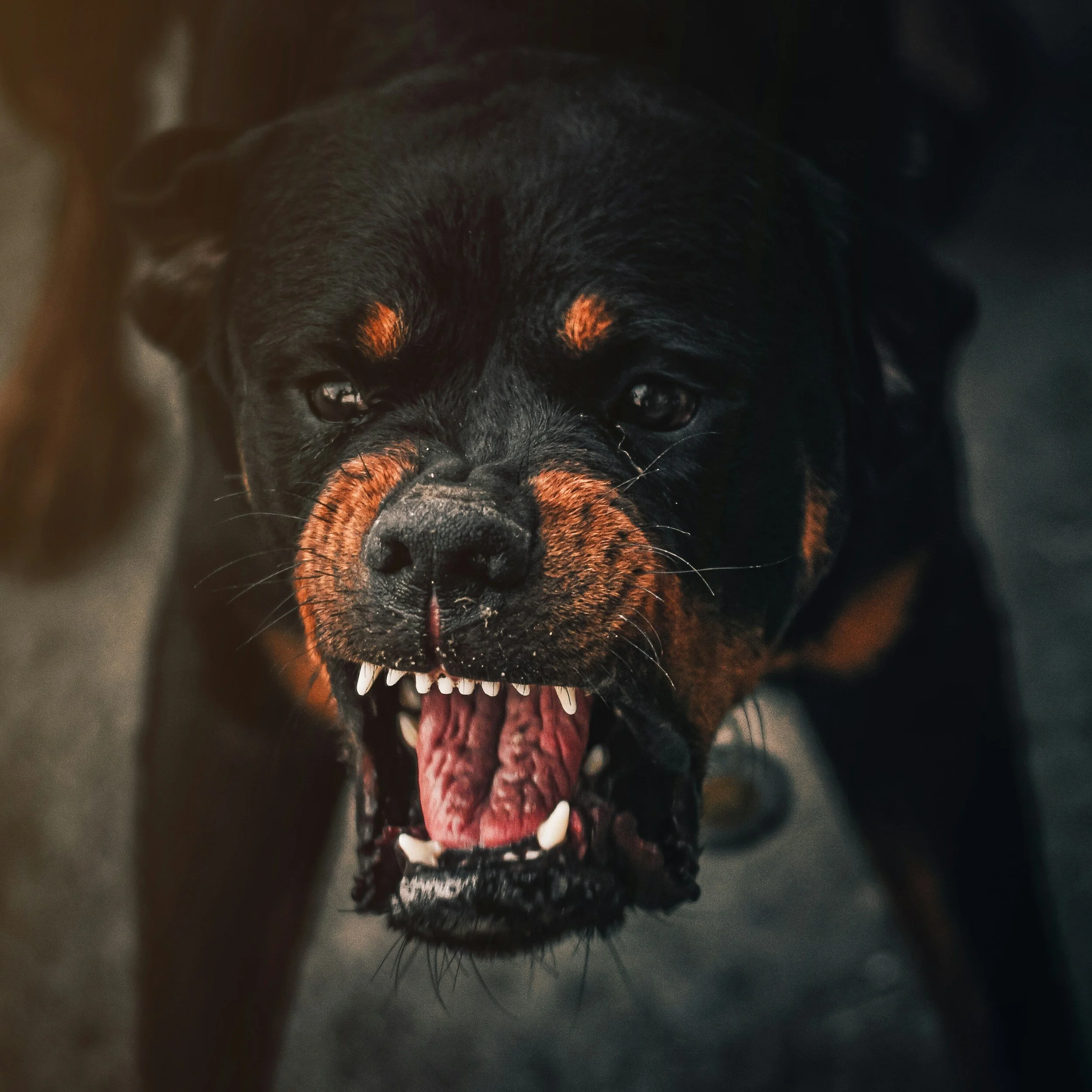
Why Do Dogs Become Reactive?
Some dogs react to people, other dogs, or certain situations — like visitors at home, people passing on the street, or new environments. Reactivity isn’t random; it usually comes from fear or over excitement. Your dog genuinely believes that barking, lunging, or hiding will help them feel safe or get to the other dog.
Because reactivity is driven by stress and uncertainty, helping your dog disengage from triggers is key. Building calmness, confidence, independence, and the ability to regulate arousal levels (getting excited or stressed, then settling again) are the most important skills. With consistent training, patience, and games that build trust, dogs can learn that these situations are safe and that they don’t need to react to feel secure.
Resource guarding
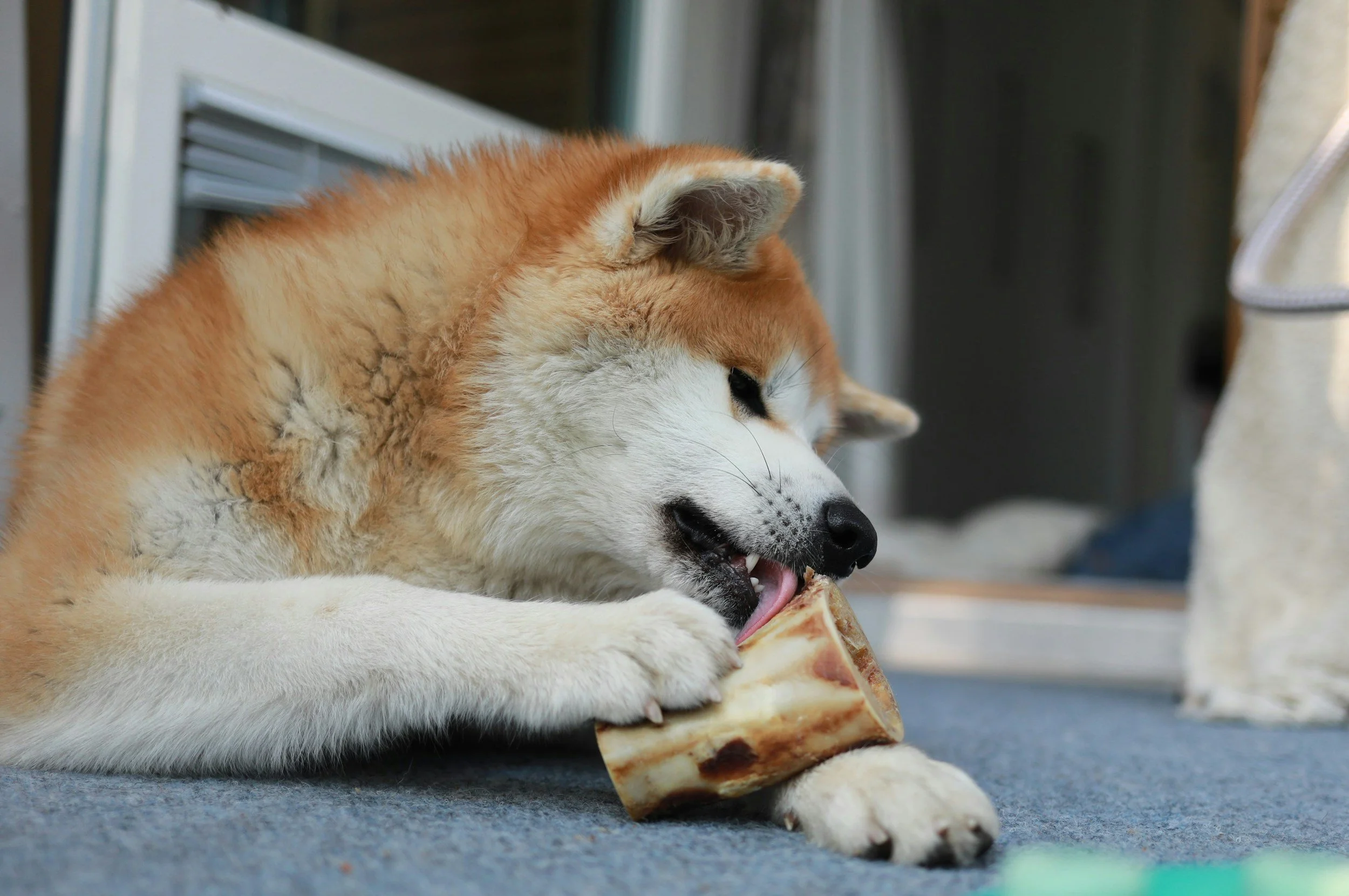
Why Do Dogs Guard Resources?
Resource guarding happens when a dog struggles to disengage from something they really value, like food, toys, or even a favourite spot. It’s easy to think they’re being “bossy” or stubborn, but that’s not the case — they’re just protecting something important to them.
The key is teaching them that letting go or swapping can actually be a great thing. By offering something even better in exchange, we show the dog that sharing or trading leads to positive outcomes. Over time, this helps them feel more relaxed, confident, and willing to let go without stress.
Puppy Biting
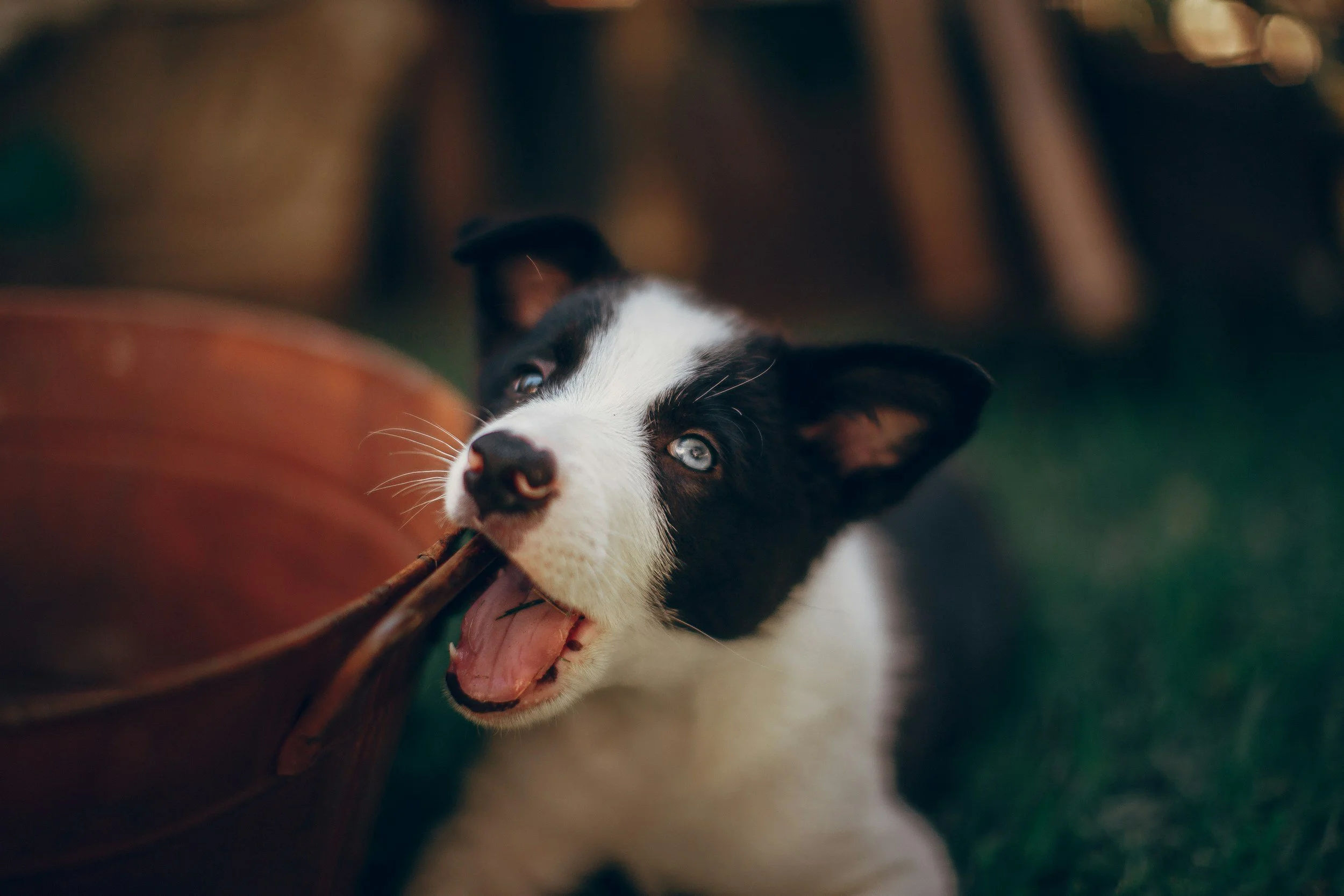
Why Do Puppies Bite?
Puppies bite because it’s how they explore the world, play, and learn. Their teeth are their tools, and they don’t yet understand what’s appropriate or how strong they are. A lot of biting also comes from big emotions — excitement, frustration, tiredness — or because they’re struggling to disengage from something stimulating.
It’s not the puppy being “naughty.” They just haven’t learned the skills yet. Teaching them to bite the right things, redirecting to toys, and playing fun, controlled games helps them understand what’s okay. Building calmness, giving enough rest, and showing them better choices will reduce biting as they grow and gain confidence.
Anxious & Fearful
Why Are Some Dogs Anxious or Fearful?
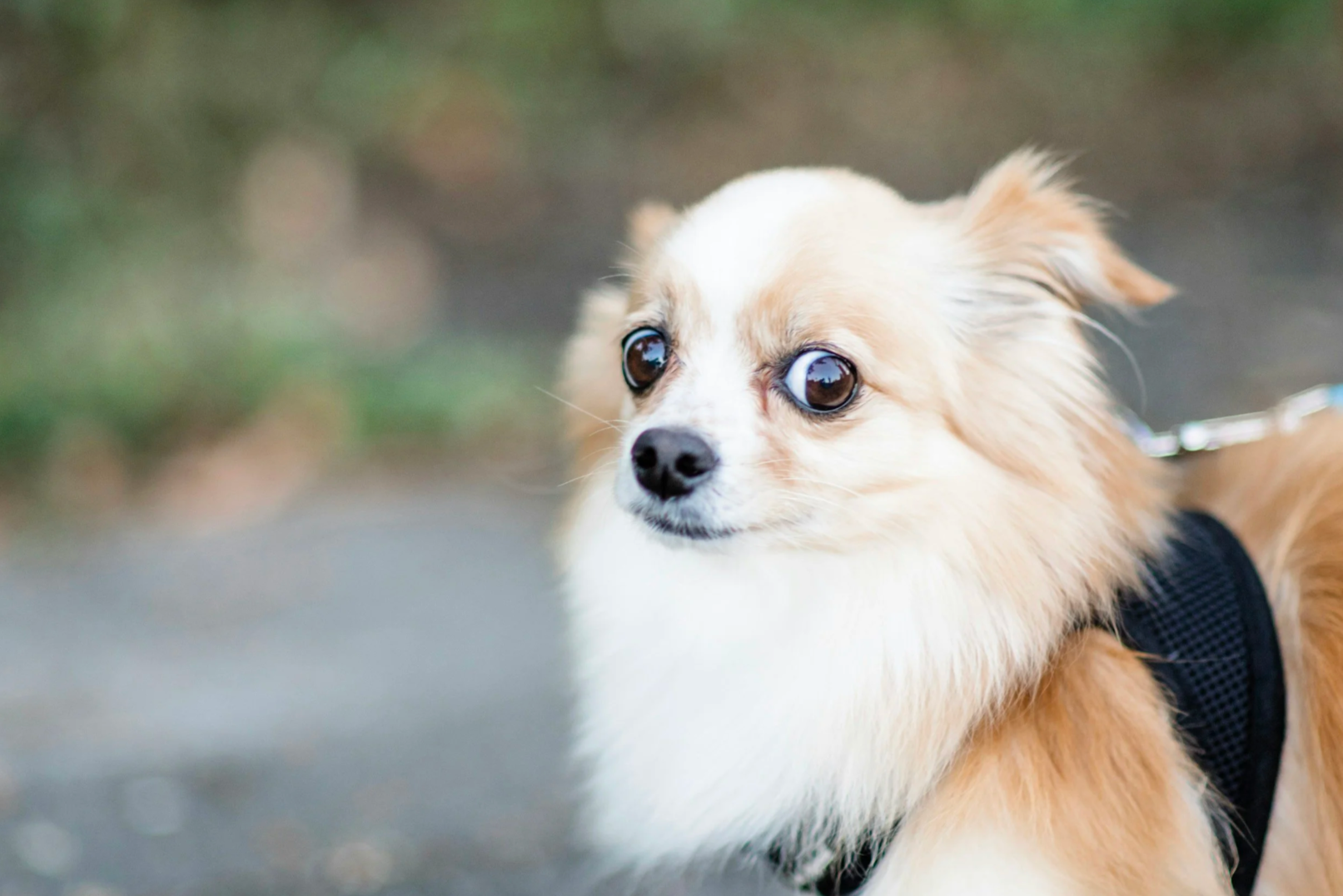
Anxious and fearful dogs aren’t “being difficult” — they’re struggling to feel safe in their world. Fear can come from lack of confidence, limited early experiences, past stress, or simply not knowing how to cope with new people, dogs, sounds, or environments.
These dogs often find it hard to disengage from the things that worry them. Their body and brain are telling them to be careful, so they might freeze, hide, bark, or avoid situations. It’s their way of trying to protect themselves.
The goal isn’t to push them through their fears, but to build confidence slowly. Calmness, independence, and learning how to bring their arousal up and down are key skills. With gentle guidance, positive experiences, and games that help them feel safe and in control, these dogs can grow more confident and start seeing the world in a different, more comfortable way.
Multiple Animals House-hold
Common Struggles in Multi-Pet Households
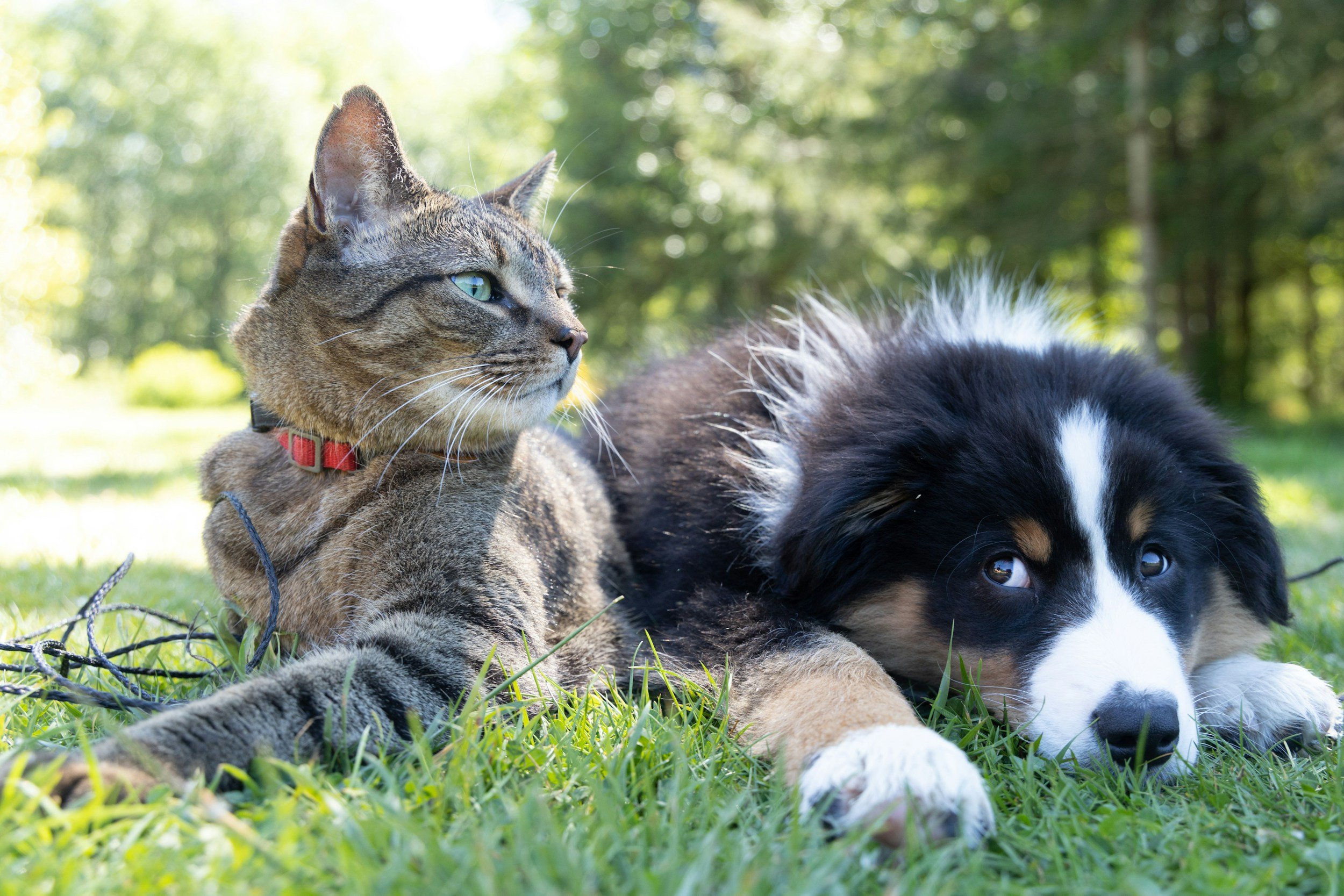
Living with more than one animal can be wonderful, but it also comes with its own challenges. Pets may compete for space, food, toys, or even your attention. Some animals struggle to disengage from each other during exciting or stressful moments, which can lead to tension, pushy behaviour, or even arguments.
Different personalities, ages, and energy levels can also create friction. A young, playful dog might annoy an older pet who prefers calmness. Some animals may guard resources, interrupt each other’s rest, or become anxious when routines change.
The key is helping each pet feel safe, supported, and understood. Clear structure, individual training time, teaching calmness, building independence, and giving each animal their own spaces all make a big difference. With the right guidance and fun training games, a multi-pet home can run smoothly, and everyone can learn to live together with more confidence and harmony.